
Subjective by design
Every diagnosis rests on one clinician's hearing in one noisy room. Abnormalities get missed, and consistency swings with experience and ambient noise.
An AI-powered digital stethoscope that hears what the human ear misses — real-time filtering, Bluetooth recording and machine-learning murmur detection, built on RISC-V silicon.
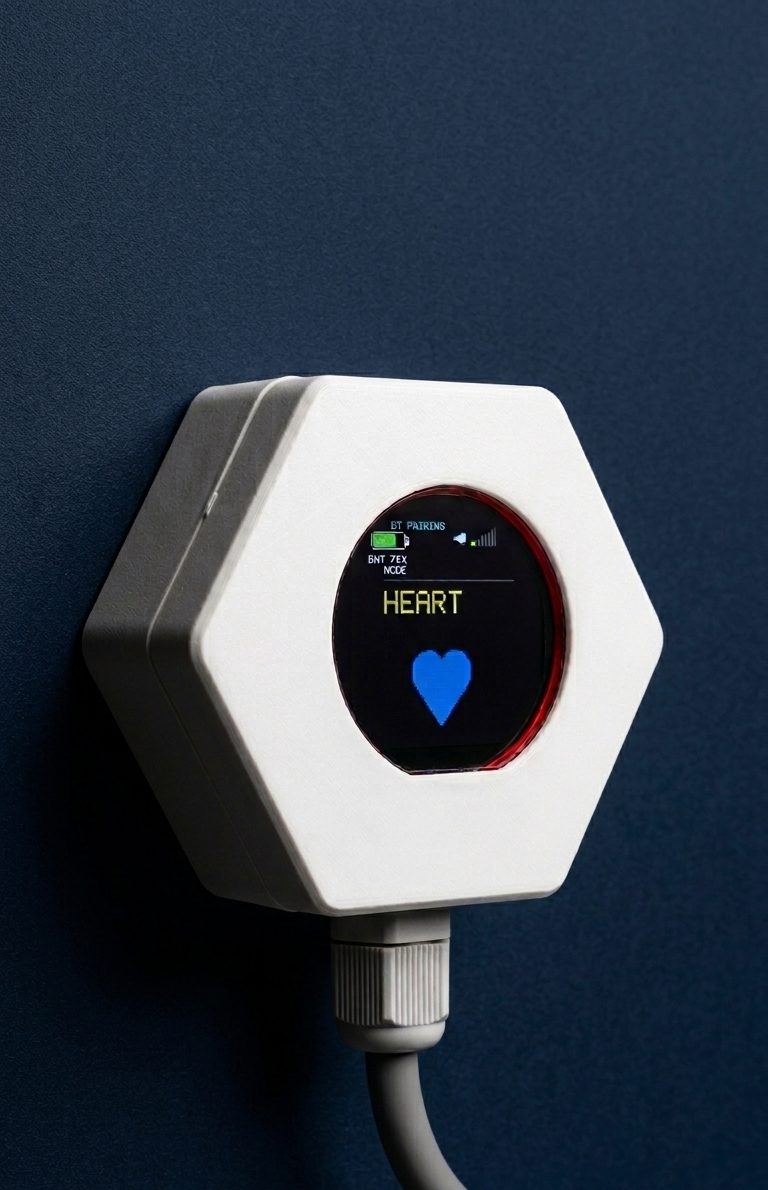
The instrument at the centre of every physical exam hasn't meaningfully changed in 200 years.
Every diagnosis rests on one clinician's hearing in one noisy room. Abnormalities get missed, and consistency swings with experience and ambient noise.
No waveform, no audio, no history. There is no second opinion, no comparison against last month, and nothing to put in the patient's file.
Rural clinics and telehealth practitioners need auscultation they can capture and send. Today they have the one tool that cannot leave the room.
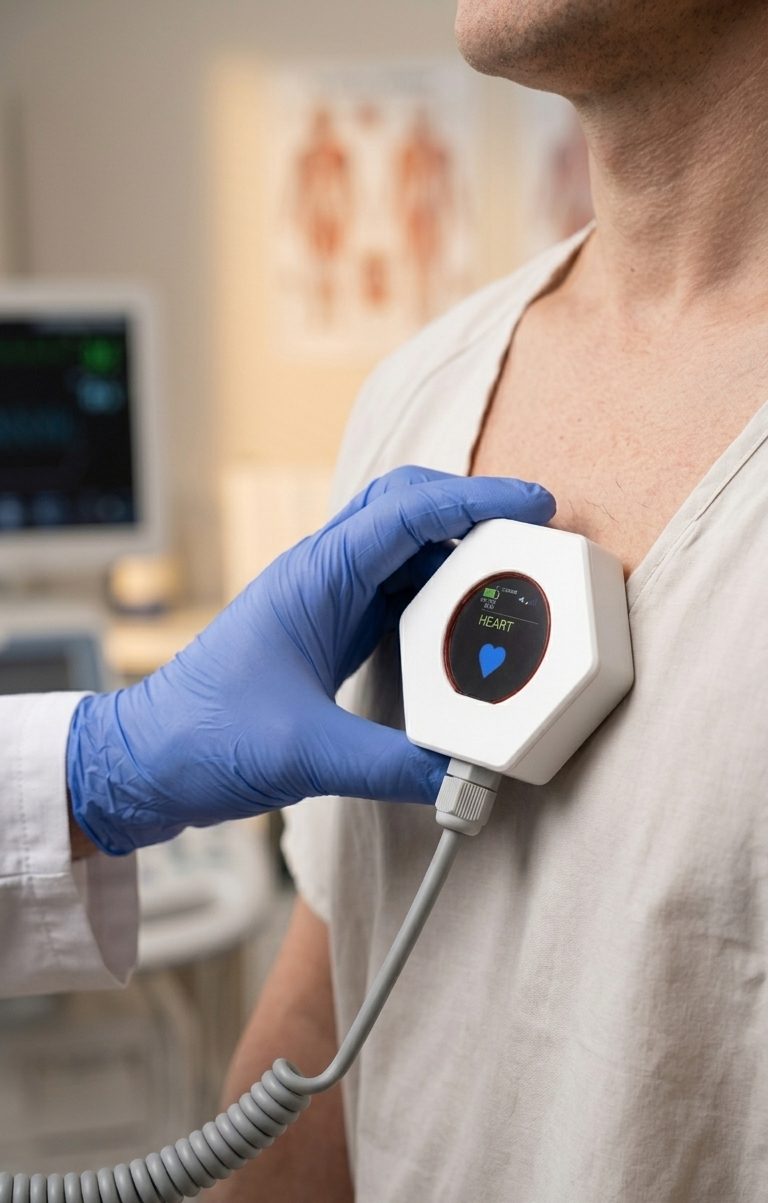
VEGA Chikitsa captures heart and lung sounds through a purpose-built 3D-printed chest piece and MEMS microphone, filters them in real time on a RISC-V VEGA AT1051 platform, and streams them over Bluetooth to a companion app for recording, tagging and AI screening.
Roughly 7× more affordable than imported digital stethoscopes — because we built the core ourselves instead of licensing it.
Dedicated digital filters isolate heart or lung sounds, plus a wide-band mode — switched from the touch display.
A trained model flags cardiac murmurs from captured audio with about 90% accuracy, right inside the companion app.
Live audio streams over Bluetooth. One tap saves a 10-second clip, tagged with a patient ID and ready for playback.
Designed in-house after commercial Vivado cores fell short — a genuine IP filing candidate, and our path to a 180nm ASIC.
Each mode runs its own digital filter chain on-device, selected from the touch display.
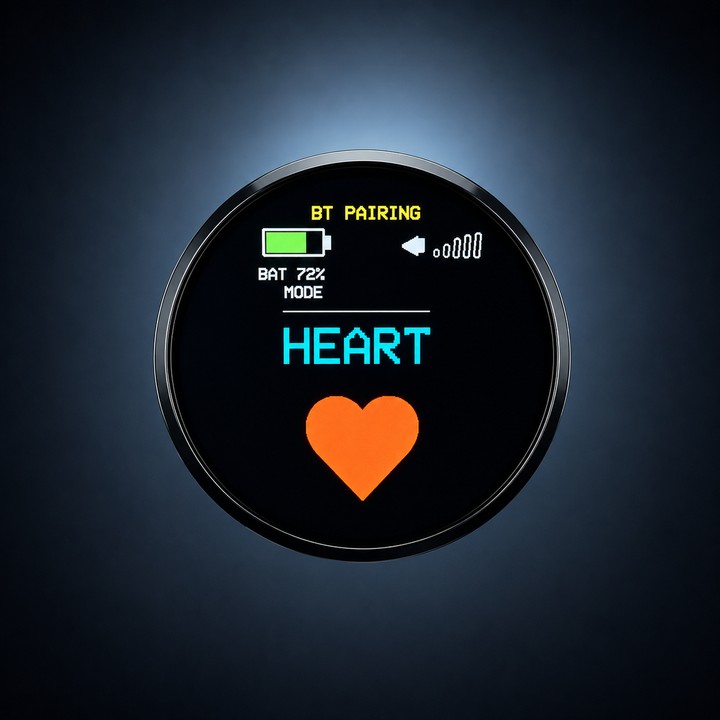
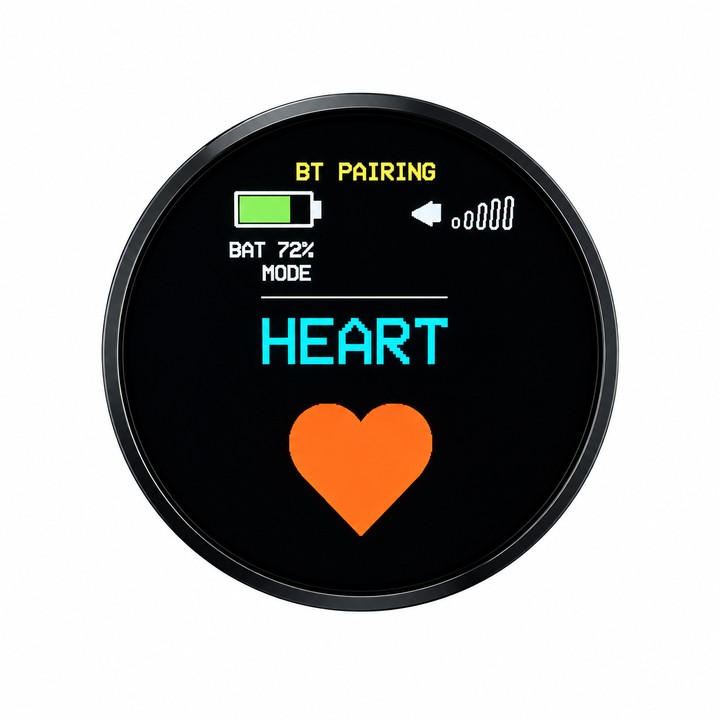
Low-frequency cardiac sounds. Isolates the S1 and S2 heartbeats and any murmur between them, rejecting breath and room noise above 200 Hz.
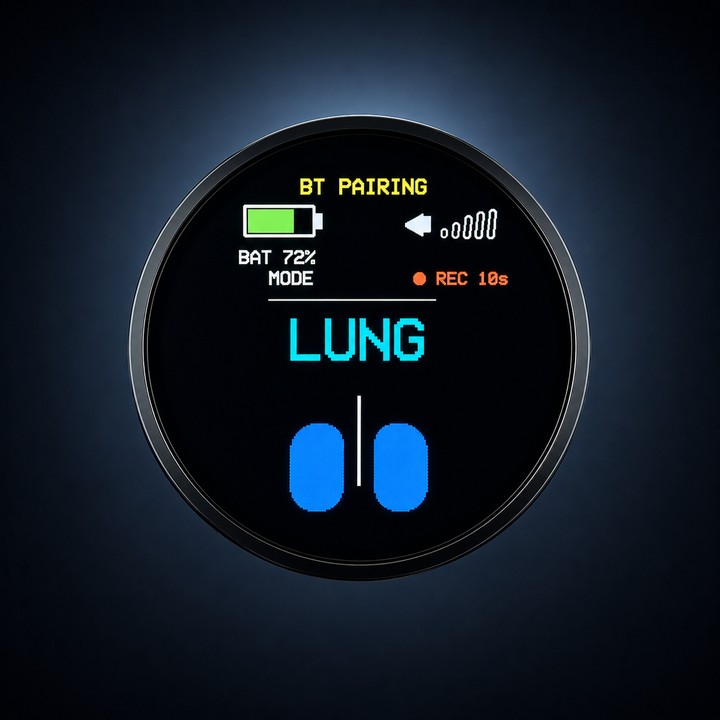
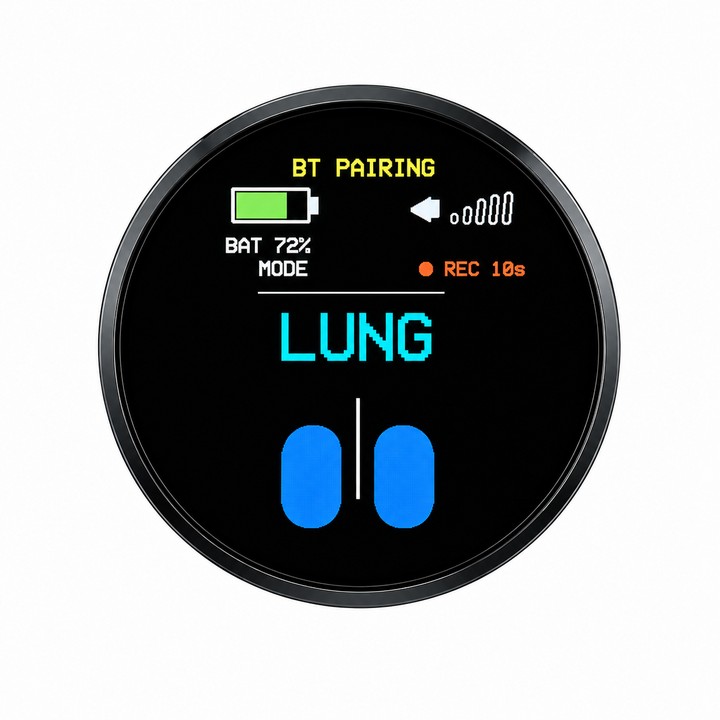
Mid-band respiratory sounds. Passes the full breath cycle and adventitious sounds such as crackles and wheeze, suppressing the louder heartbeat underneath.
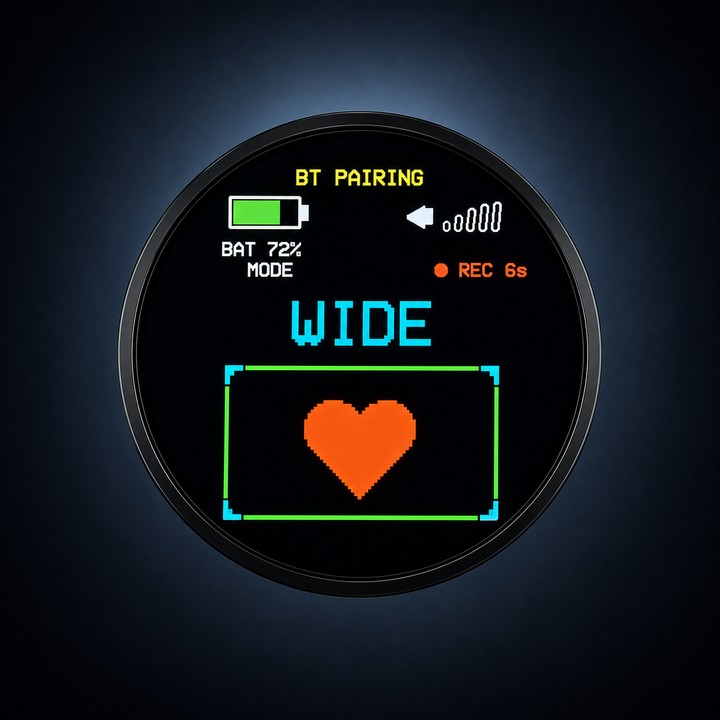
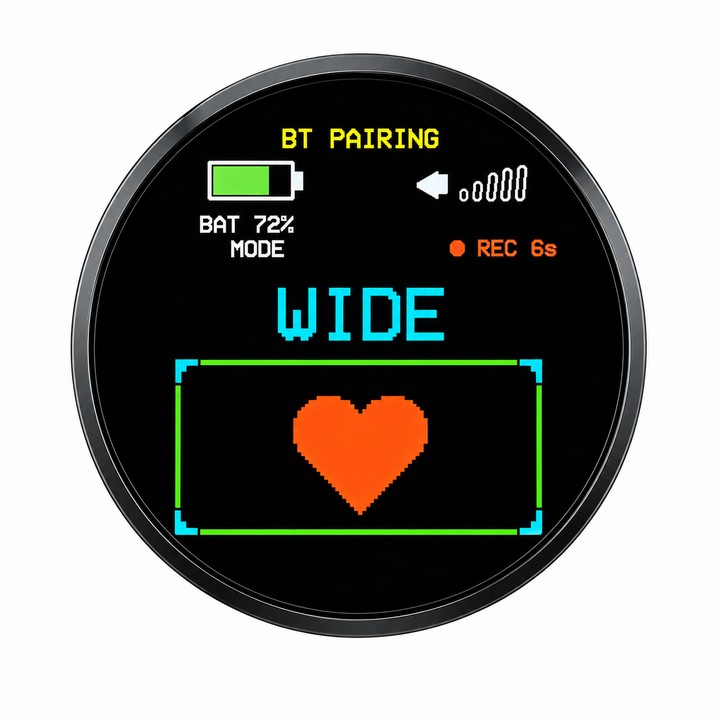
The full captured spectrum with no band limiting — heart and lung together, for recordings you want to archive, review later or send to a specialist unaltered.
Sound is picked up by a MEMS microphone inside a chest piece 3D-printed around it for acoustic coupling.
The selected mode's filter chain runs on-device in real time, stripping room noise before you hear anything.
A touch-controlled SPI display shows mode, battery and link status while clean audio plays to the earpiece.
The app records, tags and plays back each clip — and runs murmur detection over the captured audio.
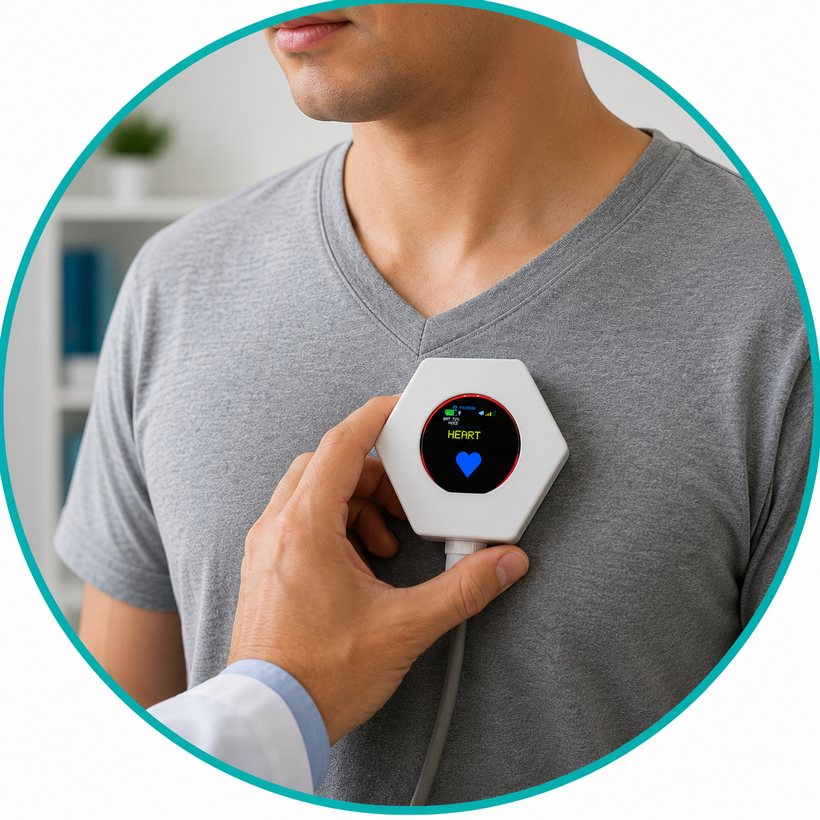
Clinicians, general physicians and rural or telehealth practitioners who need auscultation that is reliable, affordable and documentable — a need confirmed in our survey of 74 clinicians.
A functional FPGA prototype is validated end-to-end on the VEGA AT1051 development board today.
Real-time capture, three-mode filtering, Bluetooth streaming and murmur detection all validated on hardware.
Migration to a 180nm custom SoC for a compact, low-power clinical form factor.
Medical-grade four-layer FR4 PCB and SMT assembly, with tooled injection-moulded enclosures.
CDSCO and ISO 13485 compliant devices into clinics, medical colleges and telehealth networks.
A hardware, firmware and machine-learning team based in Thiruvananthapuram, Kerala.
Pilots, partnerships, institutional deployment or just a question about the hardware — we read everything.